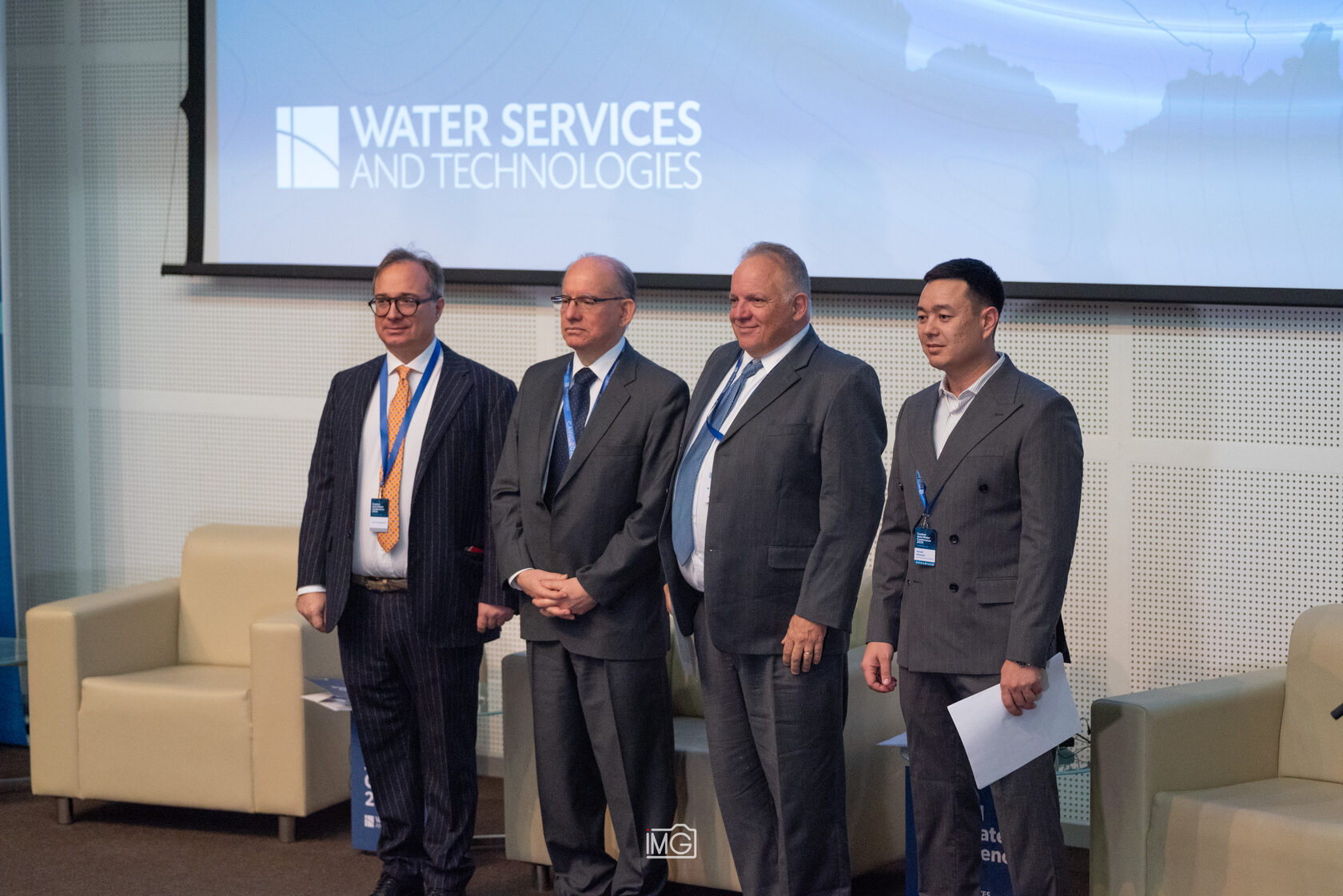
On October 10, 2025, NU GSPP hosted the Central Asia Water Conference 2025 (CAWC 2025) — an international platform bringing together government representatives, researchers, and industry professionals to discuss the future of sustainable water management in Kazakhstan and Central Asia.
Organized by Water Services and Technologies, in partnership with the Ministry of Ecology and Natural Resources of Kazakhstan, Nazarbayev University Graduate School of Public Policy, and the Embassy of Brazil in Kazakhstan, the conference fostered an exchange of knowledge, best practices, and innovative approaches to water governance.
Organized by Water Services and Technologies, in partnership with the Ministry of Ecology and Natural Resources of Kazakhstan, Nazarbayev University Graduate School of Public Policy, and the Embassy of Brazil in Kazakhstan, the conference fostered an exchange of knowledge, best practices, and innovative approaches to water governance.
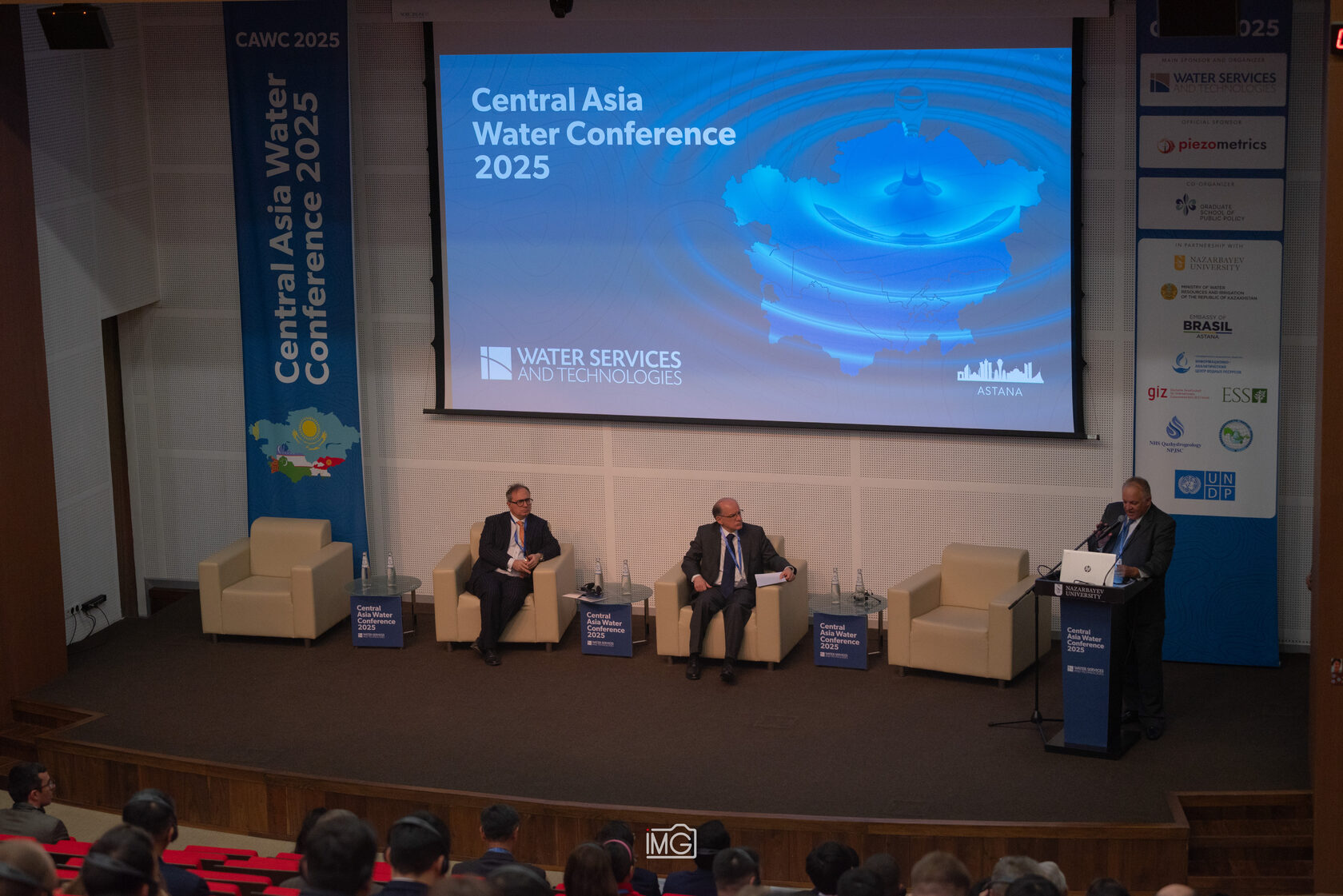
The event featured presentations and technical sessions on water data management, regulatory frameworks, water quality and mine drainage, ESG integration, and digital tools for integrated water balance and modeling. Experts from the Ministry of Ecology and Natural Resources, the National Hydrogeological Service “Kazhydrogeology”, and leading international organizations shared practical insights on effective water management and sustainable policy development.
Participants discussed the Updated Water Code of Kazakhstan, international standards in water regulation, and new opportunities for cooperation in addressing climate adaptation, water security, and resource sustainability.
Participants discussed the Updated Water Code of Kazakhstan, international standards in water regulation, and new opportunities for cooperation in addressing climate adaptation, water security, and resource sustainability.
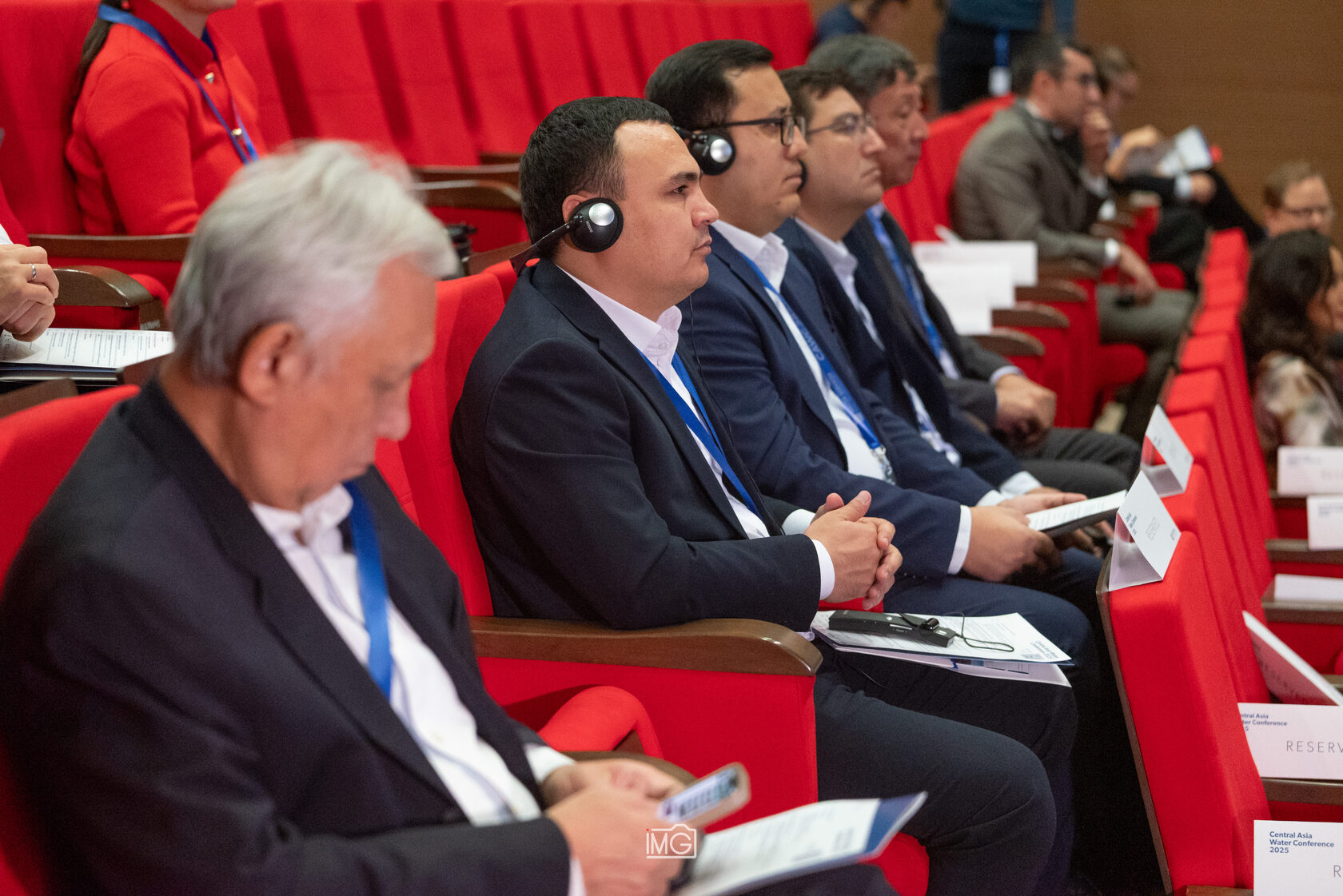
The Central Asia Water Conference 2025 reaffirmed the importance of collaborative, evidence-based policymaking and the contribution of NU GSPP to promoting sustainable development and regional policy dialogue.